

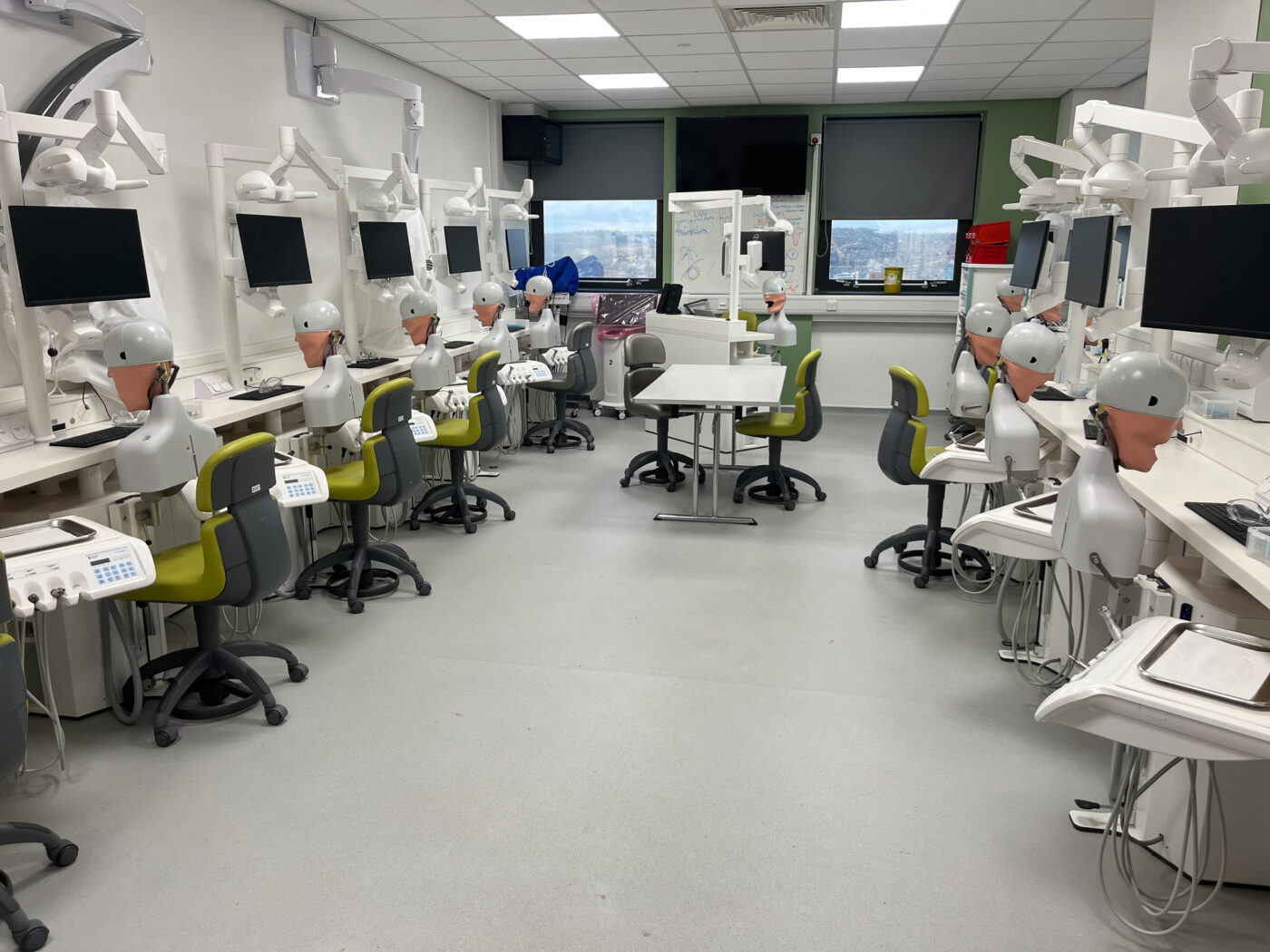
Variation between schools creates opportunities to test and compare different approaches to teaching and assessment. Education researchers within dental schools evaluate these approaches, both formally and informally, and adapt teaching in response to evidence, changes in patient populations and developments in professional practice and technology.
For example, during the pandemic, dental schools had to move parts of their teaching and assessment online and use alternative dental handpieces to reduce the risk of cross-infection. Schools shared their experiences and research on these changes, helping others identify approaches that worked.
Dental education research is also shared nationally through specialist organisations such as the British Society for Oral and Dental Research (BSODR) and the British Alliance for Research in Dental Education and Scholarship (BARDES). Specialist societies contribute educational expertise and curriculum guidance, for example, the British Endodontic Society presented suggested curricula reforms to the Education Leads and Heads of Schools through the Dental Schools Council.
A further example of joint work is differential student attainment. The revised ‘Standards for Education’ require schools to examine differences in assessment outcomes between groups of students and take steps to address gaps where identified. This can be particularly challenging for dental hygiene and therapy programmes, where small cohorts make patterns difficult to identify. Not every school has access to specialist psychometric expertise.


